Why OpenAI and Anthropic Want Scientists Using Their AI for Free
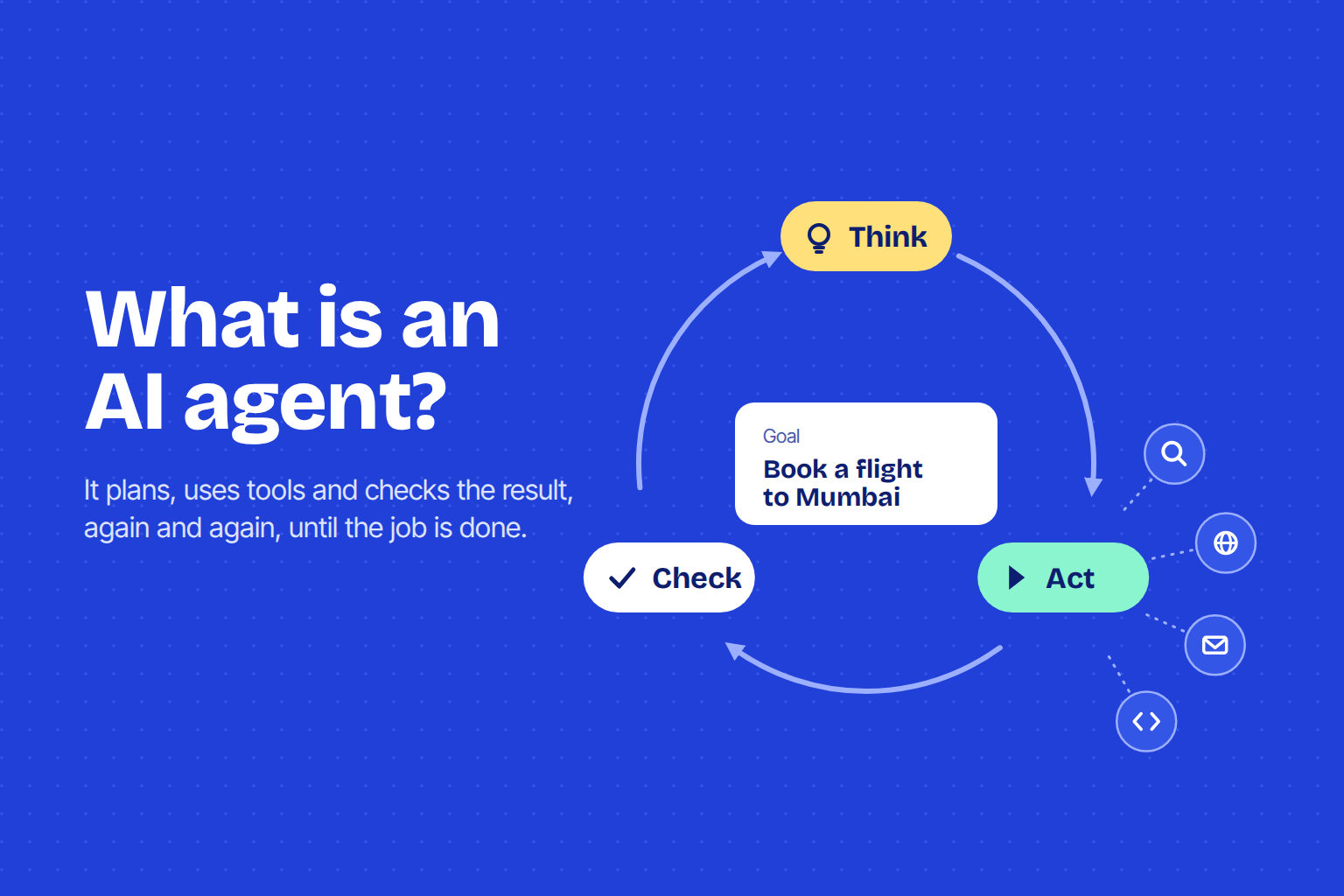
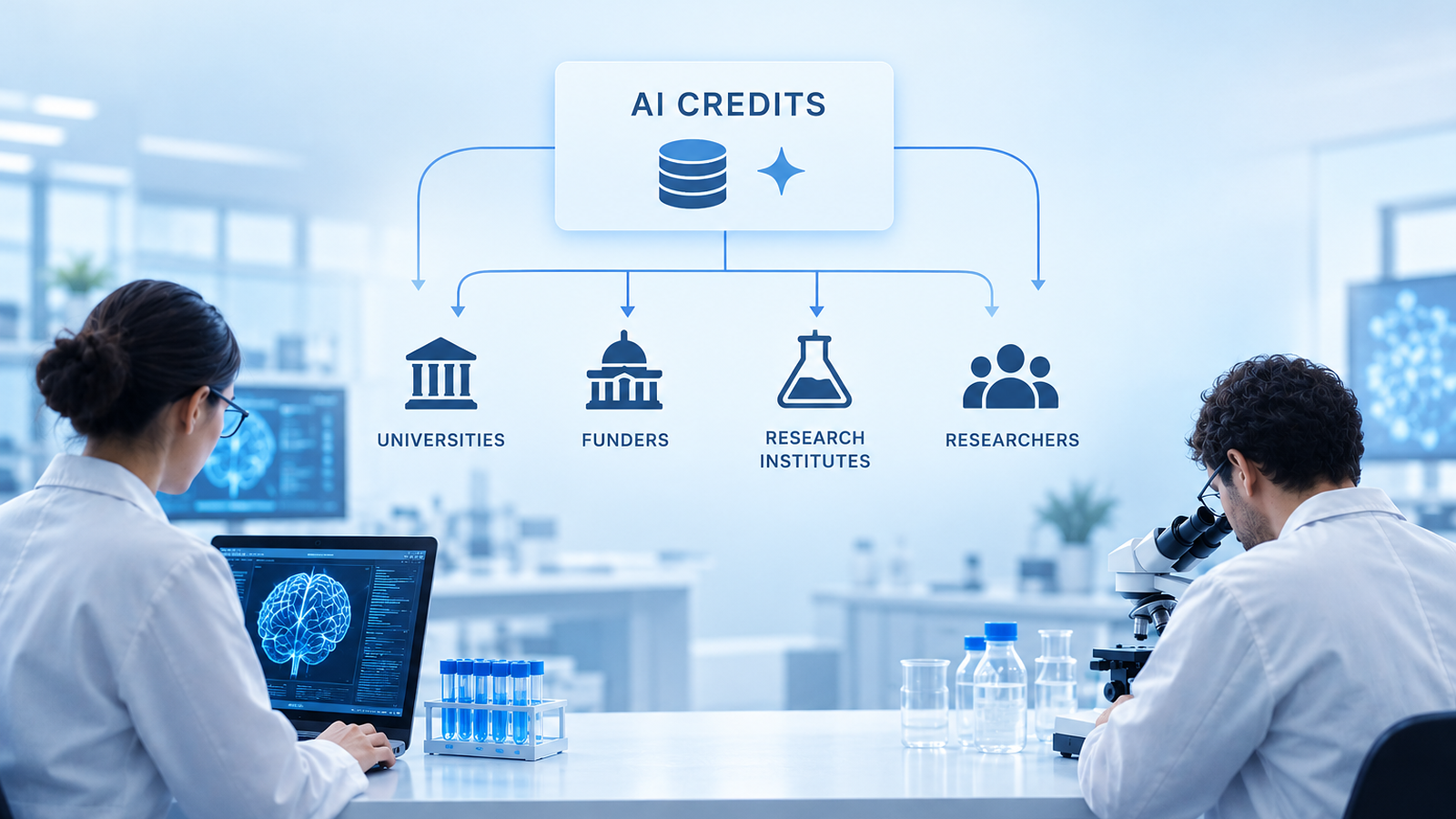
Lede:The US National Science Foundation, a $9 billion federal agency that funds about a quarter of federal support for basic university research, will now hand out Claude credits to researchers. It is one of 20 partners Anthropic named on October 28, in the same week OpenAI showed nearly 2,000 of its biology agents working through a mouse brain atlas. The two announcements point to the same shift: AI labs are no longer just giving credits to individual scientists, but building distribution through the institutions that already decide who gets funded.What happened:Anthropic expanded its AI for Science program, which gives free Claude credits to researchers, to six funders that will distribute credits, including the Sloan and Simons foundations and the NSF, six institutions that will use them internally, such as the Francis Crick Institute, and six research projects. A week earlier, OpenAI, PerturbAI and Scripps Research had split a whole-brain CRISPR atlas among 1,946 GPT-Rosalind agents, which proposed research leads in 32 minutes. And on October 24, OpenAI and Anthropic each committed up to £100 million, mostly in credits and model access, to the UK's new AI Biosecurity Lab, as AI Briefing News reported.Why it matters:The distribution model is changing. Anthropic launched AI for Science in May 2025 to support individual scientists, and now says partnering with institutions and foundations lets it reach more researchers across fields. That suggests the gatekeepers for AI resources in science may increasingly be the same funders and review panels that already allocate grants. The University of Toronto's Data Sciences Institute offers a working example: it is distributing $1 million in Claude API credits through a competitive process, with what it describes asa scientific review panel ensuring they are awarded to safe, high quality and impactful research.For research teams, the practical upside is access. Since August, researchers can apply for up to $50,000 in Anthropic credits per project. The open question is cost once credits run out. If a lab builds its analysis pipeline around one model, the more likely outcome is that switching later takes real work, though AI Briefing News has seen no data on how often research groups change providers.The access rules also differ by field. Anthropic limits researchers in biology and chemistry to its Opus-class models, rather than its newest ones. That sits alongside the biosecurity concerns governments raised this month, from MI5's warning about AI-enabled bioweapons to the UK's new lab.None of the announcements put a total value on the credits. Anthropic's post gives no dollar figure, no number of researchers and no timeline, and says many of the collaborations are at an early stage.Bigger picture:Public agencies handing out company-supplied AI resources is not new. When the NSF launched the National AI Research Resource pilot in January 2024, industry partners including Anthropic, Amazon Web Services, Meta, Nvidia, OpenAI and Microsoft agreed to provide model access and training, and Nvidia and Microsoft pledged $30 million and $20 million respectively. What appears different now is scale and specialization: OpenAI has a biology model and agent system aimed at drug discovery, and Anthropic is embedding credits in named institutions from Hubble's operator to the Wellcome Sanger Institute.Counterpoint:The strongest case against this reading is that it overstates the strategic weight of what are, at heart, modest promotional programs. Credits cost labs little at the margin, and researchers routinely use several tools at once, which would blunt any lock-in. Many of the funded projects are designed to produce open datasets, open-source software and shared standards, outputs that any model can use. And the NAIRR precedent shows the NSF has managed company contributions before without obvious conflicts. On this view, the week's announcements are less a structural shift than labs competing for goodwill and case studies in a field where both are cheap to earn.What to watch:How the NSF allocates Claude credits: its selection criteria, and whether it offers comparable resources from other labs.Peer review of OpenAI's GPT-Rosalind brain-atlas study, now a preprint, and whether any agent-generated leads survive lab testing.Anthropic's promised reporting on the impact of the new partnerships.Whether Google DeepMind, already a research partner of the UK AI Biosecurity Lab, announces an institutional credits program of its own.Anthropic's amended S-1 filings, which could disclose what the company spends on promotional credits.